Sandy Beach Textures: A Creative Resource for Digital Projects
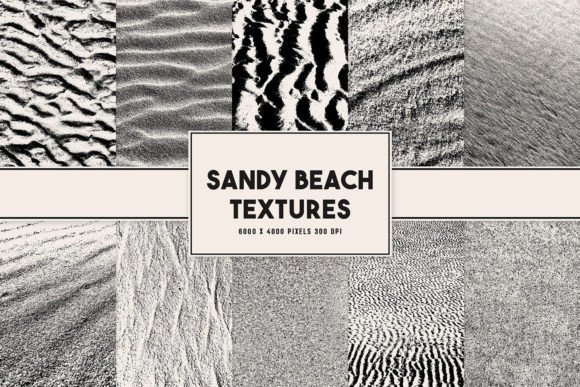
Sandy Beach Textures refers to a collection of high-resolution digital textures inspired by the natural grain and patterns found on sandy beach surfaces. These textures are designed for creative professionals, designers, and hobbyists who want to add an organic, coastal feel to their digital projects. Available in both JPG and PNG formats, they offer versatility and quality suitable for a wide range of applications.
What Are Sandy Beach Textures?
Sandy Beach Textures are digital assets that capture the visual essence of beach sand through detailed scans or photographs. They are typically offered in high resolution—6000 x 4000 pixels—with a 300 DPI resolution and RGB color profiles. This makes them ideal for use in professional design software like Adobe Photoshop CC or higher. The textures can be used as overlays, backgrounds, or elements within larger compositions.
The primary purpose of these textures is to provide a realistic representation of sand that can enhance the aesthetic appeal of various digital media. Whether you're designing a website, creating a social media post, or working on a print project, these textures offer a quick and effective way to introduce a beachy atmosphere without the need for complex illustrations or photography.
Why Consider Using Sandy Beach Textures?
There are several reasons why someone might choose to incorporate Sandy Beach Textures into their workflow. First, they offer a time-saving solution for adding texture to digital projects. Instead of spending hours creating or sourcing custom textures, users can apply these pre-made assets in minutes.
Second, the high resolution and clarity of these textures ensure that they remain sharp and detailed even when scaled up for large-format prints or high-resolution displays. This is especially important for branding materials, posters, and other projects where visual quality is paramount.
Additionally, the compatibility with popular design tools like Adobe Photoshop means that users can easily integrate these textures into their existing workflows. The availability of both JPG and PNG formats also provides flexibility, allowing users to choose the format that best suits their specific needs.
Benefits and Tradeoffs
The main benefit of using Sandy Beach Textures is the ease with which they can enhance the visual appeal of a project. Their realistic appearance and high quality make them a valuable resource for designers looking to add depth and dimension to their work. They are particularly useful for creating backgrounds, text overlays, and other elements that require a natural, tactile feel.
However, there are some tradeoffs to consider. Since these textures are based on real-world sand samples, they may not be suitable for every design context. For example, if a project requires a more stylized or abstract texture, these beach-inspired options might not be the best fit. Additionally, while they are highly detailed, they may not be appropriate for projects that require extreme minimalism or a completely clean look.
Another consideration is that these textures are best used as supplementary elements rather than standalone features. They work well when layered over other design elements but may not stand alone as the primary focus of a composition.
When Are Sandy Beach Textures a Strong Fit?
Sandy Beach Textures are most effective in situations where a natural, organic feel is desired. They are particularly well-suited for projects related to travel, relaxation, or coastal themes. For instance, they can be used in the design of wedding invitations, party invitations, or promotional materials for beach-related businesses.
They are also ideal for digital scrapbooking, photography album backgrounds, and social media banners where a subtle yet distinctive texture can enhance the overall look. In branding and product design, these textures can help create a cohesive visual identity that evokes a sense of warmth and accessibility.
If a designer is working on a project that benefits from a soft, textured background or wants to add depth to a flat design, Sandy Beach Textures can be a great choice. They are especially useful for those who want to create a sense of place or mood without relying solely on imagery.
When Might Alternatives Be Better?
While Sandy Beach Textures are versatile, they may not always be the best option depending on the project's requirements. For instance, if a design needs a more dramatic or artistic texture, alternatives such as hand-painted textures or abstract digital brushes may be more appropriate.
Similarly, if a project requires a very clean or modern aesthetic, the organic nature of Sandy Beach Textures might clash with the intended style. In such cases, it may be better to opt for simpler, more refined textures or even avoid using textures altogether.
Designers should also consider the file size and performance implications of using high-resolution textures, especially for web-based projects. While the quality is excellent, larger files can affect loading times and overall user experience if not optimized properly.
Practical Insights for Decision-Making
When evaluating whether Sandy Beach Textures are right for your project, it's important to consider the overall design goals and the message you want to convey. Ask yourself: Does this texture support the theme or tone of the project? Will it enhance the visual experience, or could it become a distraction?
It's also helpful to experiment with different textures and see how they interact with other design elements. Layering multiple textures or combining them with colors and typography can yield interesting results. However, it's crucial to maintain balance and avoid overcomplicating the design.
Finally, think about the long-term use of the textures. If you're creating content that will be reused or repurposed across different platforms, ensuring that the textures are compatible with all intended uses is essential. This includes checking resolution requirements for print versus digital formats and considering how the textures will appear on different screen sizes and devices.