Giraffe Illustration Art: A Strategic Design Element for Creative and Commercial Use
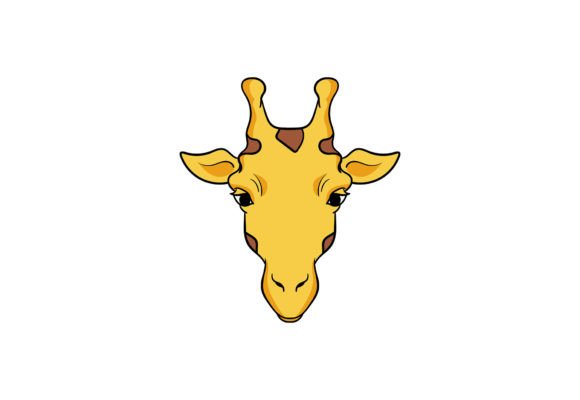
Giraffe illustration art is more than just a whimsical depiction of an animal; it's a versatile graphic design element that can be strategically integrated into various creative and commercial projects. Whether you're designing a logo, creating marketing materials, or developing digital content, the giraffe vector offers a unique blend of elegance, simplicity, and symbolism that can enhance your visual storytelling.
For entrepreneurs, marketers, and creators, the strategic use of Giraffe Illustration Art can significantly impact branding, customer engagement, and overall project aesthetics. Its adaptability makes it suitable for multiple applications, from print to digital media, ensuring that it remains a valuable asset across different platforms and industries.
Strategic Value of Giraffe Illustration Art
The giraffe, with its distinctive features and graceful presence, symbolizes vision, adaptability, and reaching new heights—qualities that align well with business goals and personal aspirations. Incorporating Giraffe Illustration Art into your designs can subtly communicate these values to your audience, reinforcing your brand's message and positioning.
From a practical standpoint, this scalable vector graphic is ideal for businesses looking to create a cohesive visual identity. It can serve as a central motif in logos, packaging, and promotional materials, helping to establish a memorable brand image. The versatility of the design ensures that it can be customized to fit different color schemes, styles, and contexts without losing its integrity.
Why Choose Giraffe Illustration Art?
- Scalability: The high-resolution vector format (4936x3319px at 300 dpi) allows for crisp, clear prints on paper, making it suitable for both small-scale and large-scale production.
- Multi-format Support: Available in SVG, PNG, JPG, EPS, DXF, and AI formats, this illustration can be used across various design software including Photoshop, Illustrator, GIMP, and Cricut, offering flexibility in application.
- Symbolic Meaning: The giraffe’s imagery can evoke themes of growth, innovation, and aspiration, making it a powerful tool for storytelling and brand messaging.
- Wide Range of Applications: From stickers and greeting cards to book covers, banners, and website graphics, the possibilities are endless.
When and How to Use Giraffe Illustration Art
Thoughtful integration of Giraffe Illustration Art requires understanding the context and purpose of your project. Here are some scenarios where this design element can be particularly effective:
1. Branding and Logo Design: A giraffe illustration can serve as a unique emblem for a brand that wants to convey creativity, uniqueness, or a connection to nature. It can be incorporated into logos, business cards, and letterheads to create a consistent visual identity.
2. Marketing Materials: Whether you're creating flyers, brochures, or social media graphics, the giraffe illustration adds a touch of charm and professionalism. It can be used to highlight key messages or serve as a background element that draws attention without overpowering the content.
3. Educational Content: Educators and publishers can benefit from using Giraffe Illustration Art in textbooks, learning materials, or educational websites. Its engaging visuals can help make complex concepts more relatable and easier to understand.
4. Personal Projects: Bloggers, artists, and hobbyists can incorporate this illustration into their personal work, such as scrapbooking, greeting cards, or blog headers. It adds a personal touch while maintaining a professional appearance.
Planning Tips for Effective Use
- Define Your Purpose: Before selecting any design element, clarify the goal of your project. Ask yourself what message you want to convey and how the giraffe illustration can support that message.
- Consider Context: Think about the environment where the illustration will be used. Will it be on a website, a physical product, or a digital ad? Each medium may require different design considerations.
- Match Style and Color: Ensure that the illustration complements the overall design style and color palette of your project. This helps maintain visual harmony and professionalism.
- Test and Refine: Once you've integrated the illustration into your design, test it in different sizes and contexts to ensure it looks good and functions well across all platforms.
Potential Risks and Considerations
While Giraffe Illustration Art offers numerous benefits, it's important to use it thoughtfully to avoid potential pitfalls. One risk is overusing the illustration in a way that dilutes its impact or makes your design look cluttered. Another consideration is ensuring that the illustration aligns with your brand's identity and does not send conflicting messages.
Additionally, using the illustration without proper context or planning can lead to misinterpretation. For instance, if the giraffe is used in a design that doesn't reflect its symbolic meaning, it could confuse your audience or undermine your brand's message.
To mitigate these risks, take time to research and plan your design strategy. Consider consulting with a designer or using tools like mood boards to visualize how the illustration will fit into your overall project.
Long-Term Value and Decision-Making
Incorporating Giraffe Illustration Art into your creative or commercial projects can yield long-term value by enhancing brand recognition, improving customer experience, and supporting creative expression. When used intentionally, it becomes more than just an aesthetic choice—it becomes a strategic decision that contributes to your overall success.
As you consider using this illustration, ask yourself: How will it support my goals? What message do I want to communicate? How can I ensure it aligns with my brand and audience? These questions will guide you in making informed decisions that maximize the impact of your design choices.
Ultimately, Giraffe Illustration Art is a powerful tool when used with purpose and precision. By understanding its potential and limitations, you can leverage it effectively to achieve better results in your creative and commercial endeavors.